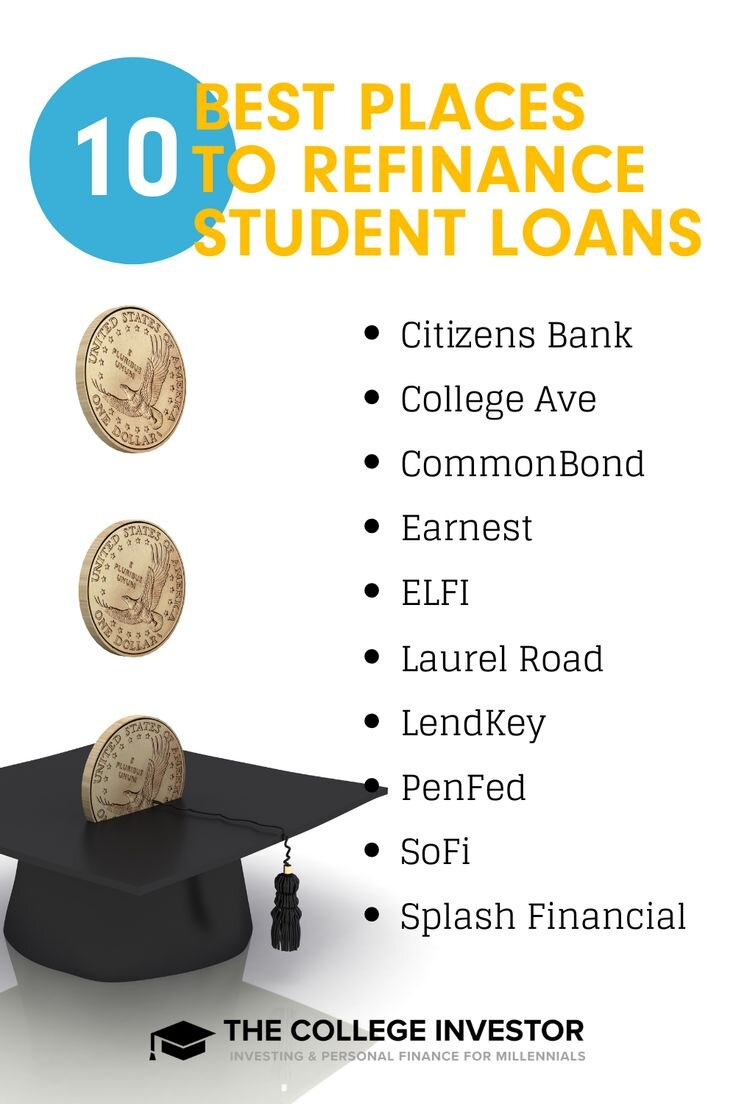
Top 5 Places to Refinance Student Loans
Welcome to our guide on the top 5 places to refinance student loans! If you’re feeling overwhelmed by your student loan debt and looking for a way to potentially lower your interest rates and monthly payments, you’ve come to the right place. Refinancing can help you save money in the long run and simplify your repayment process. Whether you’re a recent graduate or have been out of school for a while, we’ve compiled a list of the best options for refinancing your student loans. Let’s dive in and explore your possibilities!
Understanding the Basics of Student Loan Refinancing
If you’re feeling overwhelmed by your student loan payments, refinancing could be a great option for you. But before you dive in, it’s important to understand the basics of student loan refinancing. Essentially, refinancing your student loans means taking out a new loan to pay off your existing loans. This new loan typically comes with a lower interest rate, which can save you money in the long run. Additionally, refinancing can simplify your repayment process by combining multiple loans into one.
When considering student loan refinancing, it’s crucial to take a look at your current financial situation. Make sure you have a stable income and a good credit score, as these factors can impact the terms of your new loan. Additionally, it’s important to understand the differences between federal and private student loans. While federal loans offer certain protections and benefits, private loans may offer lower interest rates.
Before refinancing, it’s essential to shop around and compare offers from different lenders. Each lender will have their own criteria for approval and terms for the new loan, so make sure to find the best option for your specific needs. Keep in mind that refinancing federal loans into a private loan means losing certain benefits, such as income-driven repayment plans and loan forgiveness programs.
It’s also important to consider the repayment term of your new loan. While a longer term may result in lower monthly payments, it could also mean paying more in interest over time. On the other hand, a shorter term may lead to higher monthly payments but could save you money on interest in the long run. Consider your financial goals and decide what repayment term works best for you.
Finally, be sure to carefully read and understand the terms of your new loan before signing on the dotted line. Make sure you know the interest rate, fees, and repayment options associated with the loan. If you have any questions or concerns, don’t hesitate to reach out to the lender for clarification.
Benefits of Refinancing Student Loans
Refinancing student loans can offer a multitude of benefits for borrowers looking to manage their debt more effectively. One of the primary advantages of refinancing is the potential to secure a lower interest rate. By refinancing at a lower rate, borrowers can save money on interest over the life of the loan, resulting in lower monthly payments and more opportunities to pay off the debt sooner.
Another benefit of refinancing student loans is the opportunity to consolidate multiple loans into a single, streamlined repayment plan. This can simplify the repayment process for borrowers who may have multiple loans with different lenders, due dates, and interest rates. By consolidating loans through refinancing, borrowers can better manage their monthly payments and potentially qualify for more favorable terms.
Refinancing student loans can also provide borrowers with the opportunity to adjust the repayment terms of their loans. This can include extending the repayment period to lower monthly payments or shortening the repayment period to pay off the debt sooner. By customizing the repayment terms through refinancing, borrowers can better align their loan payments with their financial goals and budget.
Additionally, refinancing student loans can offer the opportunity to release a cosigner from the original loan agreement. If a borrower initially needed a cosigner to qualify for a student loan, refinancing can potentially allow the borrower to qualify for a new loan without a cosigner. This can provide greater financial independence for the borrower and their cosigner, as well as potentially secure better loan terms.
Furthermore, refinancing student loans can also provide the opportunity to switch from a variable interest rate to a fixed interest rate. By locking in a fixed rate through refinancing, borrowers can protect themselves from potential interest rate increases in the future and have more certainty in their monthly payments.
In conclusion, refinancing student loans can offer a range of benefits for borrowers, including lower interest rates, simplified repayment plans, customized repayment terms, cosigner release, and the option to switch to a fixed interest rate. By considering the potential advantages of refinancing, borrowers can take control of their student loan debt and achieve greater financial stability.
Finding the Best Lenders for Student Loan Refinancing
When it comes to refinancing your student loans, it’s important to find a lender that offers the best terms and rates for your individual situation. With so many options available, it can be overwhelming to choose the right lender. Here are some tips on how to find the best lenders for student loan refinancing.
1. Do Your Research: Before you start the refinancing process, take the time to research different lenders. Look for reviews online, ask for recommendations from friends or family members who have refinanced their student loans, and compare interest rates and terms from multiple lenders. This will help you narrow down your options and choose the lender that best fits your needs.
2. Consider Customer Service: When it comes to dealing with your finances, good customer service is crucial. Look for lenders that have a reputation for excellent customer service. This includes being responsive to your inquiries, providing clear and accurate information, and offering support throughout the refinancing process. A lender that values their customers is more likely to provide a positive experience.
3. Look for Flexible Repayment Options: One of the key benefits of refinancing your student loans is the ability to choose a new repayment plan that works for you. When looking for a lender, consider the repayment options they offer. Look for lenders that provide flexibility in terms of repayment plans, such as fixed or variable interest rates, different loan terms, and options for changing your repayment plan in the future. Having the ability to customize your repayment plan can make it easier to manage your loan payments and stay on track financially.
4. Check for Discounts or Benefits: Some lenders offer discounts or benefits to borrowers who meet certain criteria. This could include discounts for setting up automatic payments, loyalty discounts for existing customers, or benefits for having a co-signer on your loan. These discounts can help you save money on your loan over time, so it’s worth considering lenders that offer these additional perks.
5. Compare Rates and Fees: Lastly, when choosing a lender for student loan refinancing, make sure to compare the interest rates and fees they charge. Lower interest rates can save you money in the long run, so it’s important to find a lender that offers competitive rates. Additionally, pay attention to any fees associated with the loan, such as origination fees or prepayment penalties. These fees can add up over time, so choose a lender that has transparent and reasonable fee structures.
By following these tips and doing your research, you can find the best lenders for student loan refinancing that meets your needs and helps you save money in the long run.
Steps to Take Before Refinancing Your Student Loans
Before refinancing your student loans, there are several important steps you should take to ensure that you are making the best decision for your financial situation. Here are some key things to consider before moving forward with refinancing:
1. Review Your Current Loan Terms: Before refinancing, it’s important to understand the terms of your current student loans. Take note of your interest rate, repayment term, and any benefits or protections that may come with your current loans. By knowing the specifics of your current loans, you can better compare them to potential refinancing offers and determine if refinancing is the right choice for you.
2. Check Your Credit Score: Your credit score plays a significant role in the interest rates you may be offered when refinancing your student loans. Before applying to refinance, check your credit score and take steps to improve it if necessary. A higher credit score can help you qualify for lower interest rates, saving you money over the life of your loan.
3. Research Lenders: When considering refinancing options, take the time to research different lenders and what they have to offer. Look for lenders that specialize in student loan refinancing and compare their interest rates, repayment terms, and customer reviews. By doing your research, you can find a lender that meets your needs and offers competitive rates.
4. Consider Potential Repayment Options: Before refinancing, consider what repayment options are available to you. Some lenders may offer flexible repayment plans, such as income-driven repayment or graduated repayment, that can help you better manage your monthly payments. Additionally, some lenders may offer benefits such as deferment or forbearance in case of financial hardship. By understanding the repayment options available to you, you can choose a lender that offers the flexibility you need to successfully repay your loans.
5. Calculate Potential Savings: Before refinancing, take the time to calculate how much money you could potentially save by refinancing your student loans. Use online calculators or speak with lenders to estimate your new monthly payments and total repayment amount. By comparing these figures to your current loan terms, you can determine if refinancing is a financially beneficial option for you.
By taking these steps before refinancing your student loans, you can make an informed decision that best suits your financial needs. Remember to carefully consider all aspects of the refinancing process and choose a lender that offers the best terms for your situation.
Mistakes to Avoid When Refinancing Student Loans
Refinancing student loans can be a great way to save money on interest and lower your monthly payments. However, there are some common mistakes that borrowers make when refinancing their loans that can end up costing them more in the long run. Here are some of the top mistakes to avoid when refinancing student loans:
1. Not Shopping Around for the Best Rate: One of the biggest mistakes borrowers make when refinancing their student loans is not taking the time to shop around for the best rate. Many borrowers simply refinance with the first lender they come across, without comparing rates from multiple lenders. By not taking the time to research and compare rates, borrowers could end up missing out on significant savings.
2. Ignoring Loan Terms and Conditions: Another common mistake borrowers make when refinancing their student loans is ignoring the terms and conditions of the new loan. It’s important to carefully review the terms of the new loan, including the interest rate, repayment term, and any fees associated with the loan. Ignoring these important details could result in unexpected costs down the road.
3. Choosing a Variable Rate Loan: While variable rate loans may initially offer lower interest rates than fixed rate loans, they can also be more unpredictable and subject to fluctuation. Choosing a variable rate loan when refinancing student loans could leave borrowers vulnerable to sudden increases in interest rates, causing their monthly payments to rise. It’s important to carefully consider the pros and cons of variable rate loans before making a decision.
4. Not Considering Loan Repayment Options: When refinancing student loans, it’s important to consider all of the repayment options available. Some lenders offer income-driven repayment plans, deferment options, or other flexible repayment terms that can help borrowers manage their loans more effectively. Failing to consider all of the available repayment options could result in choosing a loan that doesn’t align with your financial goals.
5. Forgetting to Check Eligibility Requirements: One crucial mistake to avoid when refinancing student loans is forgetting to check the eligibility requirements for the new loan. Each lender has different requirements for refinancing student loans, including minimum credit score, income level, and employment status. Borrowers should make sure to carefully review the eligibility requirements for each lender before submitting an application. Failing to meet these requirements could result in a loan application being denied, wasting time and potentially affecting your credit score.